This post contains affiliate links. If you follow one of my links I earn a small commission at no extra cost to you. All opinions are completely my own. Thank you for supporting my blog!
I am fully aware that the majority of my followers are probably already homeschooling (yay, for homeschooling!), but there may be a few of you who follow along out of curiosity, or are still on the fence. There may be some of you who have a close friend or family member considering it. Some of you might have just decided to start homeschooling. Maybe you’ve been dreaming about it for years, or maybe the thought hit you yesterday somewhere between morning drop-off and your third cup of coffee. Well, this post is for you.
I know that the decision to start homeschooling can feel like staring up at a mountain of “where do I even begin?” But here’s the good news: you don’t have to have it all figured out on Day 1. You just need to take the next right step. And I’m going to walk you through it, step by step.
 Step-by-step: How to start homeschooling
1. Define your “why” and your goals.
Write down what you want most (faith formation, character, strong reading/math, flexibility, calmer days, etc.). These choices will guide everything else.
2. Check your state’s legal requirements.
Homeschool rules are state-specific (notice of intent, required subjects, testing/evaluations, record keeping, etc.). Look up your state before you withdraw.
The Home School Legal Defense Association (HSLDA) allows you to search homeschool requirements by state.
3. Choose your legal pathway (varies by state).
Common options: (a) homeschool under your state’s homeschool statute, (b) enroll in a public school independent study/virtual program, (c) enroll in or create a private school at home, or (d) use a certified tutor (where allowed).
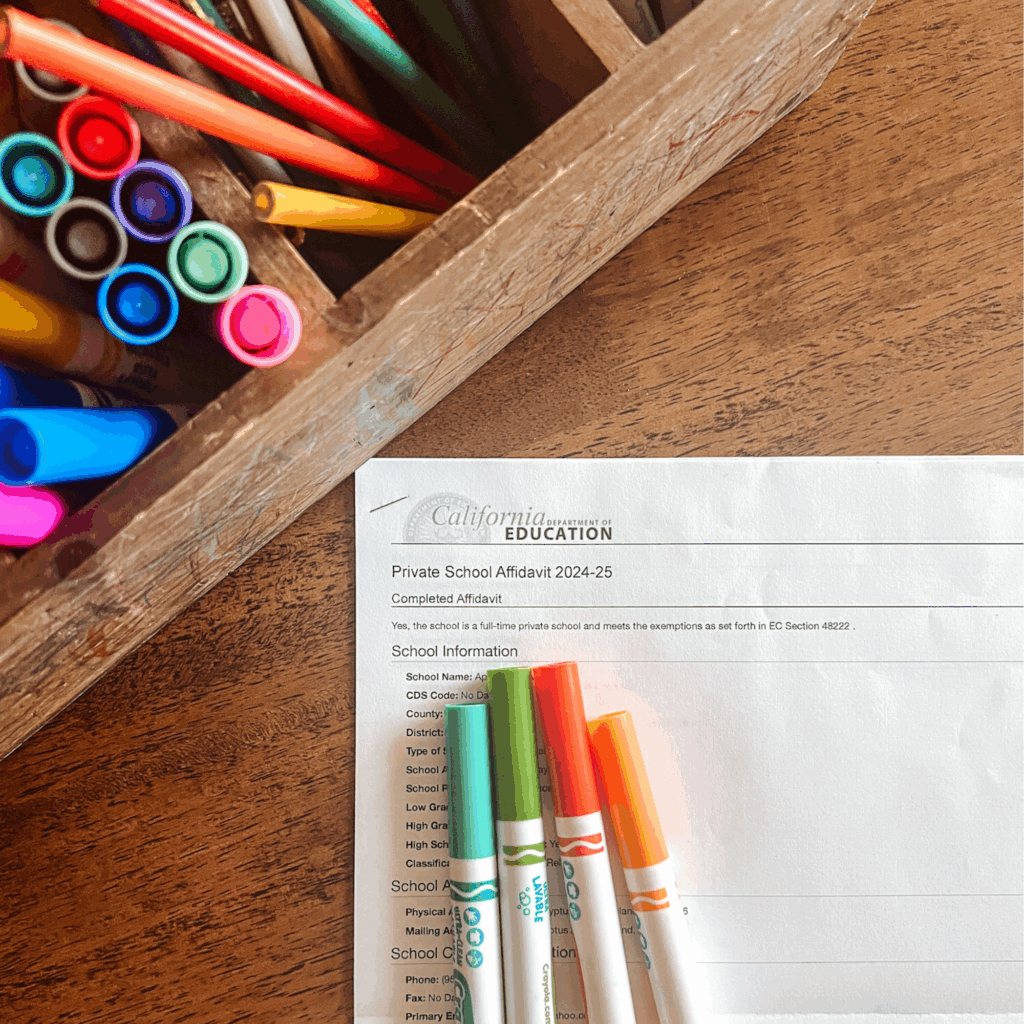
• California example (since that’s where we live): CA lists five ways to educate at home- public charter, public independent study, existing private school, home-based private school (file a Private School Affidavit), or a credentialed tutor. The California Department of Education also summarizes affidavit, course, and record-keeping requirements.
4. If your child is currently enrolled in a school, withdraw them correctly.
Send a brief letter/email to the school stating you’re withdrawing to homeschool (or transferring to a private school/PSA, depending on your state’s language). Keep a copy. Templates abound should you need one.
SchoolhouseTeachers.com offers a free withdrawal letter template.
5. Set up the boring (important) admin.
• Create a binder or digital folder for legal docs, attendance, and samples.
• If you’re in California filing a PSA, file annually and keep record of your signed copy.
6. Pick your core materials. Start light.
Choose one solid language arts path and one math curriculum. Add history/science simply (library books, a gentle curriculum, unit studies). You can add electives later.
7. Plan your rhythm, not just a schedule.
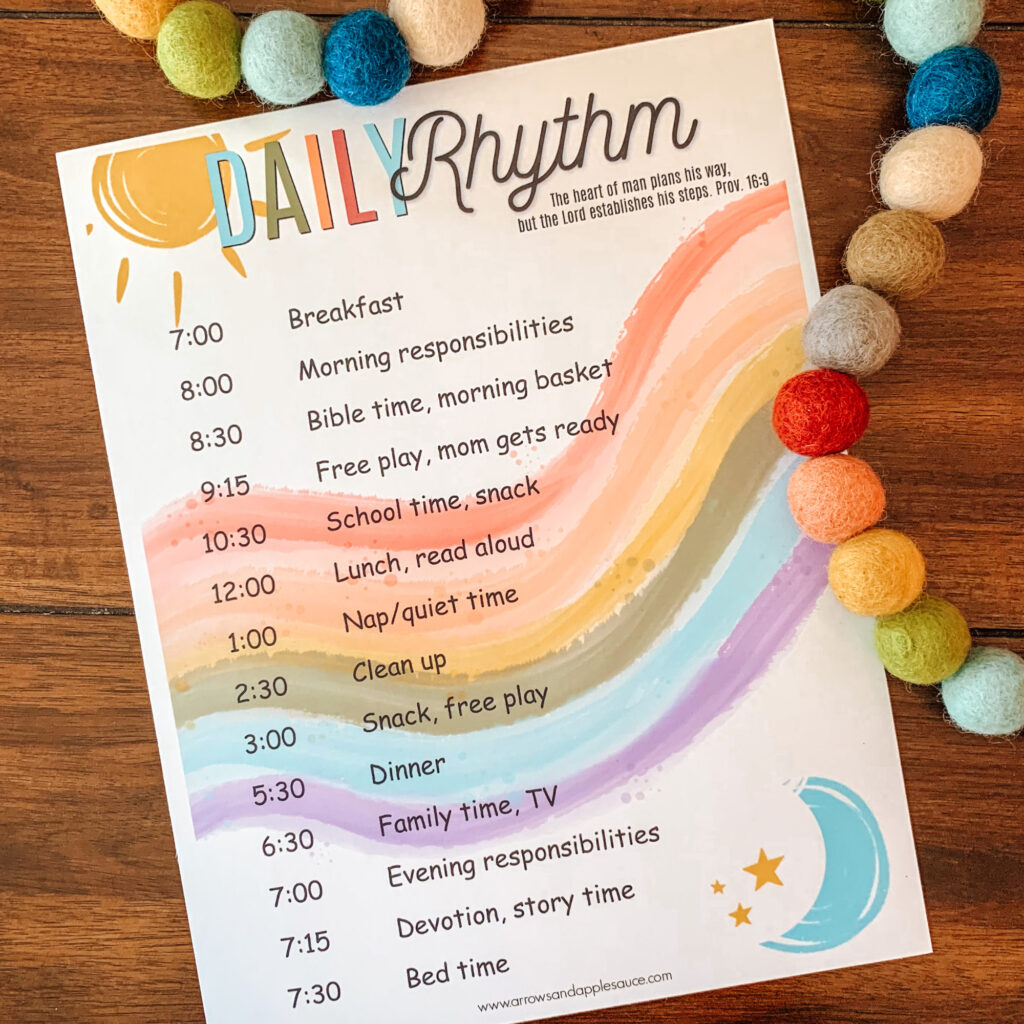
Write down how you’d like your day to flow (this will change many times). Keep lessons short at first,15–25 minutes for skill work, longer for read-alouds.
8. Line up community and support.
Find a local homeschool group, co-op, church group, 4-H, or park day. This is helpful for encouragement and social outlets, but not an absolute necessity, so don’t feel discouraged if you can’t find your community right away.
9. Start small, then adjust.
Teach for two weeks, note what’s working, and reevaluate if needed. Your curriculum is a tool, not your boss. Skip busywork, slow down hard bits, and switch what’s not serving your child well.
One-week quick-start homeschooling plan
Monday:
-
Look up your state’s law and pick your legal path. Save key links.
-
Draft the withdrawal note if needed.
Tuesday:
-
Choose math + reading/spelling/phonics. You can see what curriculum we’ve used over the years here.
-
Make a simple plan writing out your daily rhythm. My editable Daily Rhythm is super easy to use!
Wednesday:
-
Prep a morning time- Bible, read-aloud, memory work. Try my Morning Menu for well rounded skill building!
-
Set up your records binder- attendance log + course list. Everything in one place so it’s easy to reference.
Thursday:
-
First lessons: math + reading only. Keep them short and upbeat.
-
Nature walk or hands-on science in the afternoon if things are going well.
Enjoying this post? You might also enjoy Preschool & Kindergarten Learning Journals
Friday:
-
Add writing- copy-work, narration, journaling. All of my kids started with my Alphabet Bible Verses.
-
Library haul for history/science read-alouds.
Saturday:
-
Evaluate: what felt long? Too easy? Adjust time and materials.
-
Plan next week with tiny tweaks, not an overhaul.
Common pitfalls and easy fixes
-
Trying to replicate school at home → Start smaller; focus on math/reading + read-alouds, then build from there. You may even consider “unschooling”, and taking a break from any structured school time at all for awhile. Enjoy the slower pace and time together as a family before starting this new lifestyle.
-
Buying too much → Start with one program per subject. Don’t overthink it. You can always add more later, but it’s harder to be overwhelmed with clutter and a pile of resources or tools you end up not using.
-
Panicking about “gaps” → All educations have gaps. Aim for steady growth. This is a quality over quantity situation.
-
Skipping legal housekeeping → Do the paperwork and basic records up front.
You will have good days and hard days. Both are normal. You don’t have to prove yourself to anyone. Your job is to shepherd your kids well.
Ann says
Thanks for this helpful overview. Starting to homeschool my oldest (6 years) in September and your post helped me to get focus in the priorities.
Kristen says
I’m so glad it was helpful!